My Lower Denture Keeps Falling Out — Here's How to Fix It
Loose lower dentures are one of the most common problems we see. Here's why they slip and the four common options, from relines to implant overdentures.
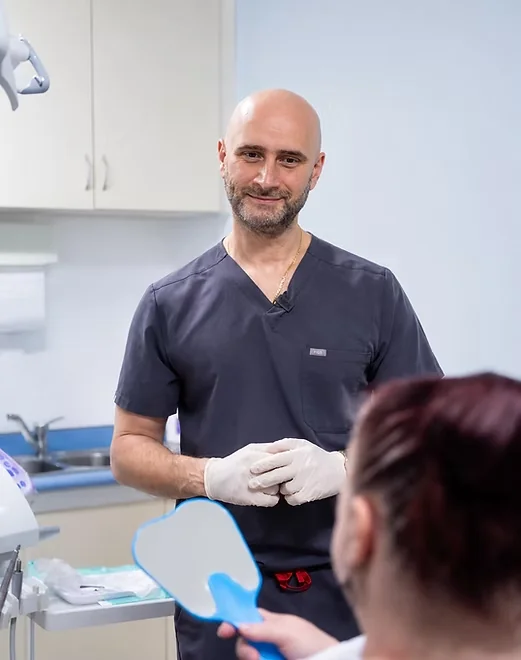
Published 19 February 2026 · Updated 18 November 2026
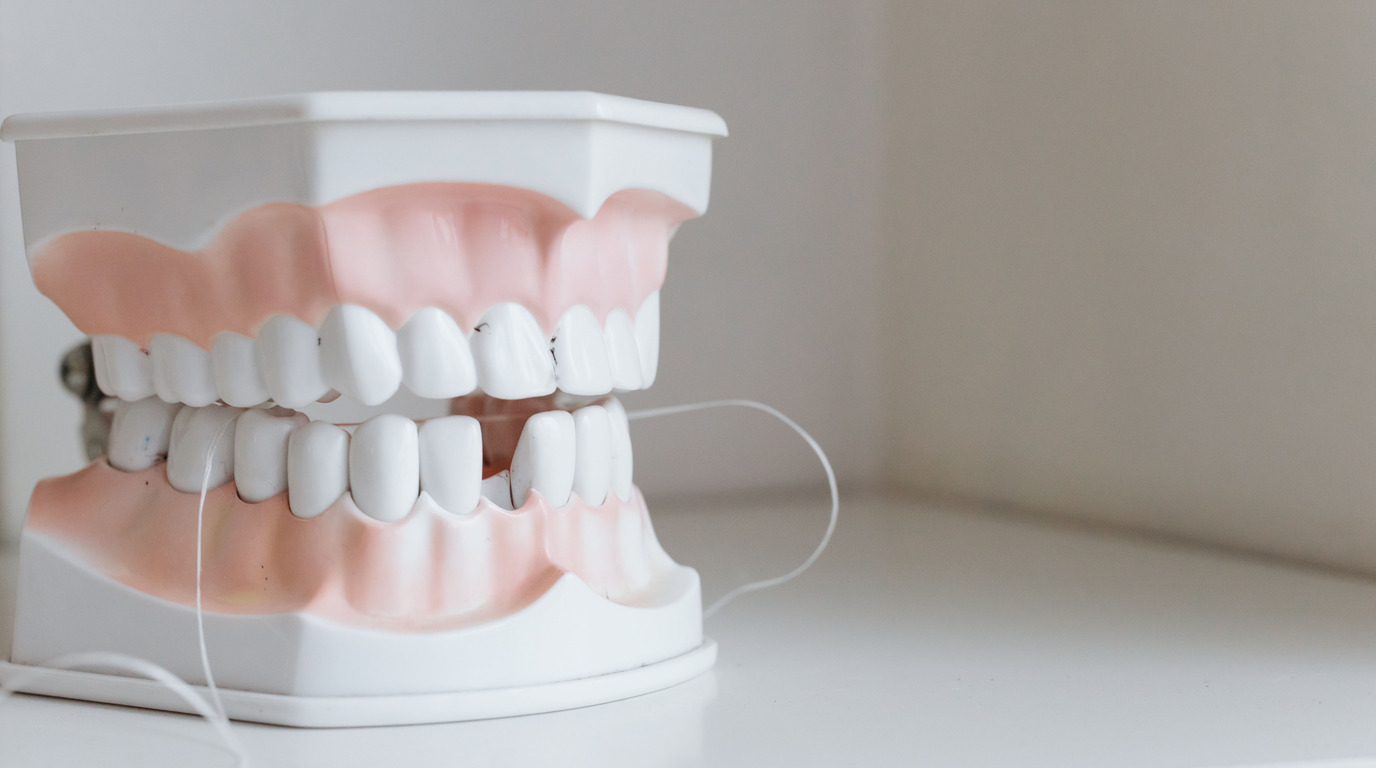
If your lower denture lifts, rocks, or drops when you talk or eat, you're in very common company. A loose lower denture is one of the most common problems we see — and the good news is it's often fixable. Here's why it happens and the four common options.
Why does my lower denture keep falling out?
Upper dentures cover the palate, giving them a large surface area for strong suction. Lower dentures have no such advantage — they rest on a narrow horseshoe of gum, the tongue sits on top constantly threatening to dislodge them, and the cheeks push in from the sides. There's almost no natural suction to work with, so any change in the gum beneath makes looseness obvious fast. See Why do my dentures keep coming loose? for more on what causes a loose fit.
Cause 1: Gum and bone shrinkage
After teeth are lost, the jawbone slowly resorbs. The denture was moulded to your gums at day one; by year three the gum shape has changed and the fit is gone. This is the most common cause of looseness and the easiest to fix.
Will a reline fix a loose lower denture?
A reline reshapes the fitting surface of your existing denture to match your current gums, rebuilding what suction is possible. It's affordable, fast, and often restores a lower denture to acceptable stability for 1–2 years. This is usually the first fix Chris tries.
Does a soft liner help a loose lower denture?
A soft silicone liner on the fitting surface cushions the gum and creates a gentle suction that a hard acrylic can't. For sensitive or sharply resorbed ridges, a soft liner can make a loose lower denture noticeably more stable and comfortable.
Adhesive is a signal, not a solution
If you're using adhesive daily, it usually means the fit has changed. It's fine short-term, but a reline or implant solution addresses the cause rather than masking it.
Should I use adhesive on my lower denture?
A quality adhesive can add short-term grip while you arrange a reline or implants. Use it sparingly, clean it thoroughly, and don't rely on it long-term — it doesn't fix the underlying fit and overuse can irritate the gums. See Denture adhesive alternatives for ways to reduce glue use.
Are implants the best fix for a loose lower denture?
Two implants in the lower jaw can hold the denture in place with locator attachments, making it much more stable. Studies have found many people are more satisfied with a two-implant lower overdenture than with a conventional lower denture (McGill consensus statement on overdentures, 2002). It involves implant surgery, so it's not for everyone. Using just two implants keeps it affordable. Learn more about implant overdentures or read Implant-supported dentures explained.
Which fix is right for you?
If the denture is relatively new and just loosening, a reline is the sensible first step. If you've relined before and it's still loose, or you want a permanent fix, implant overdentures are worth considering. Chris will assess your bone, budget and denture condition and recommend the most cost-effective path. Book a consultation to get started.
Sources
General information only, not clinical advice. Sources checked 10 November 2026.
Frequently asked questions
Why does my lower denture keep falling out?
Lower dentures rest on a narrow ridge with no palate for suction, the tongue and cheeks move them, and the gum shrinks over time, so the fit loosens.
How can I make my lower denture stay in?
Get the fit checked first. A reline or soft liner often helps. Adhesive can help for a short time, and two-implant overdentures give the most secure result.
Are implant overdentures good for lower dentures?
Yes. Experts in the McGill consensus statement recommend a two-implant lower overdenture as the first-choice option for people with no lower teeth. It does involve implant surgery.
Is it normal for a new lower denture to feel loose?
New dentures take time to settle, and healthdirect notes most people take a few months to get used to them. If yours still drops after the settling-in period, have the fit checked.
Chris Mansour, Dental Prosthetist
Chris is a registered AHPRA dental prosthetist with over 20 years' experience. He personally consults, takes impressions and hand-crafts every denture in his own lab at the Bossley Park studio, and sees patients at Engadine, Minto, Bossley Park and Ramsgate Beach. No referral needed.
About ChrisBook at your nearest clinic.
Chris Mansour sees patients across four Sydney clinics. No referral needed.
- Bossley Park: 204 Sweethaven Road · 0488 153 250 · Mon & Wed 8:30am–5pm, other days by appointment · same-day repairs in our in-house lab
- Minto: Minto Dental Practice, 8 Minto Road · (02) 9820 4161
- Ramsgate Beach: Max Dental Clinic, 3/183 Ramsgate Road · (02) 9583 2292
- Engadine: All About Dental, Suite 1, 16 Waratah Road · (02) 9520 9031
Near Bossley Park? We see patients from Edensor Park, Greenfield Park, Prairiewood.
Book a consultation · All clinics and Chris's schedule · Get denture tips by email
Related reading
All articles
Denture Adhesive Alternatives: How to Stop Using Denture Glue for Good
16 April 2026 · 6 min
Does Medicare Cover Dentures? What Sydney Locals Can Actually Claim
9 November 2026 · 8 min
Denture Relines Explained: Restoring a Tight, Comfortable Fit
18 June 2026 · 5 minNeed this sorted, not just read about it?
Explore the matching treatment or book an initial consultation with Chris.
Ready to restore your comfort & smile?
Speak with Dental Prosthetist Chris Mansour at Engadine, Minto, Bossley Park or Ramsgate Beach. No GP referral needed — call the clinic direct to arrange your visit.